Paddle Boarding with Kids: A Safe and Fun Guide for Families
Paddleboarding with kids is one of the best ways to get outside, spend time together, and build confidence on the water.
It’s a fun and active way to get on the water that doesn’t have to be complicated, but paddling with kids requires a slightly different approach. It’s not just about paddling, it’s about creating a safe, positive experience that makes them want to keep coming back.
Before introducing paddleboarding to kids, strong swimming skills and water confidence are key. Enrolling your child in Nemo Swim School can be a great first step, helping build those skills so you can enjoy paddleboarding while keeping things simple, safe, and fun.
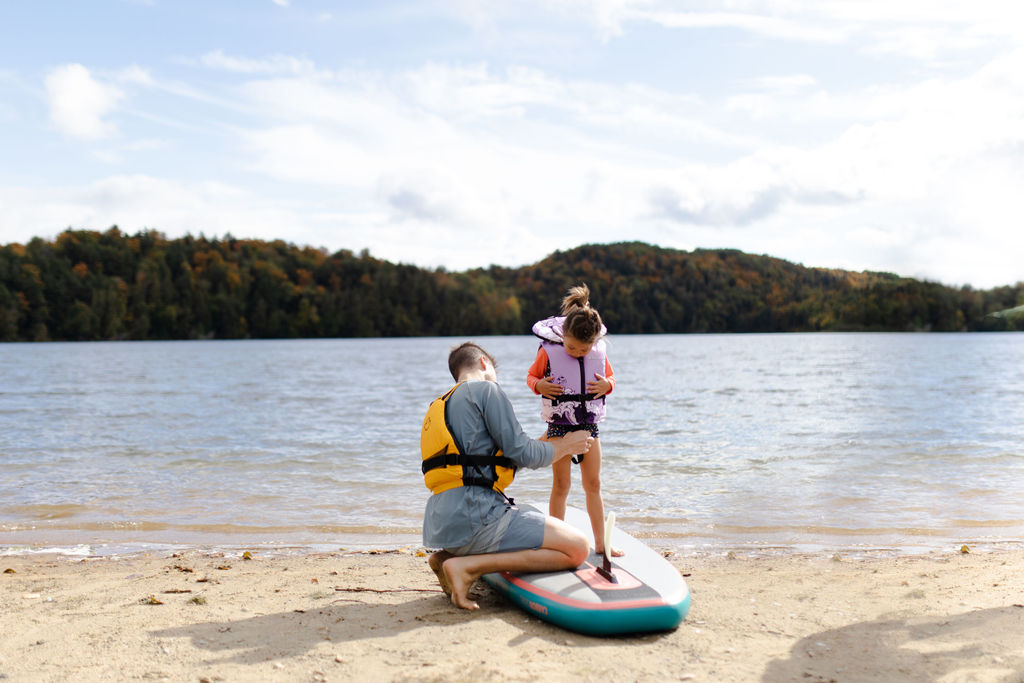
Photo Credit: Salus Marine
Sponsored Blog Post written by Duncan McNally
As a dedicated instructor at Nemo Swim School, Duncan McNally focuses on empowering students through supportive, skill-building swim instruction. He also enjoys sharing expert tips, safety insights, and educational resources online, helping make quality swim knowledge more accessible to families and communities.
Why Paddleboards Are So Great for Kids
One of the best things about paddleboards, especially with kids, is how versatile they are.
They’re not just for paddling.
They become a place to sit, play, splash, snack, rest, and reset. Some days you’ll paddle, other days it turns into more of a floating hangout and both are a win.
Inflatable paddleboards (iSUPs) are especially great for this. They’re softer and more forgiving than hard boards, which makes falls less intimidating and the whole experience more approachable for kids.
Getting Started the Right Way
The goal isn’t to rush into standing and paddling, it’s to build confidence step by step.
Start on land. Let kids stand on the board, move around, and get used to the board. Once you’re on the water, choose a calm, shallow area where they can ease into it.
Depending on their age and comfort level, you can:
- Have them ride on the board with you
- Paddle on your own board right beside them
- Or stand in the water next to the board while they practice
The key is staying close and creating a space where they feel supported.
Keep sessions short to start. Even 20–30 minutes on the water is a great first experience.
Think small wins, lots of encouragement, and keeping things light.
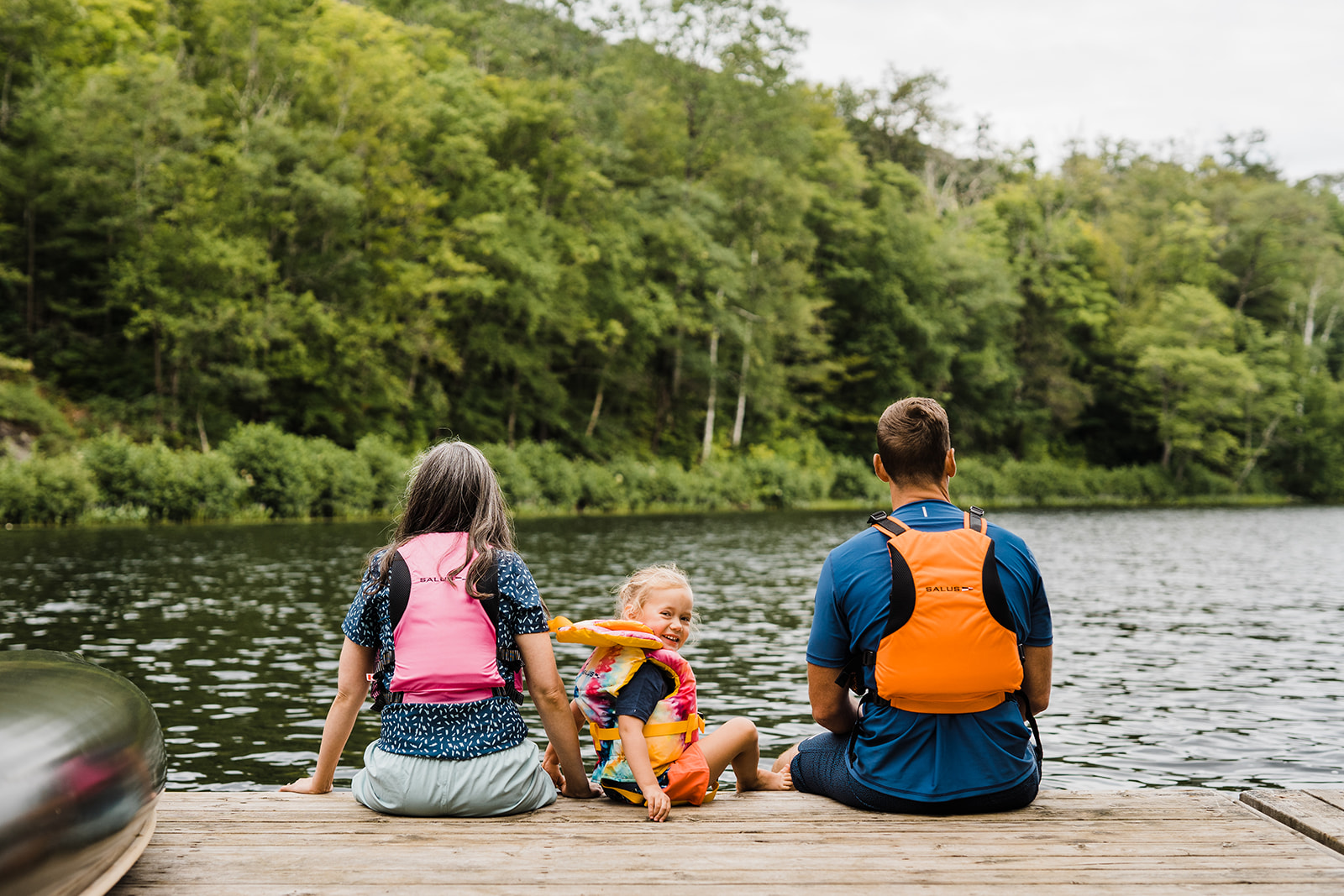
Photo Credit: Salus Marine
Choosing the Right Paddleboard for Kids
The right board can make all the difference when kids are learning to paddleboard.
- Go for stability first → wider boards are easier to balance
- Check weight capacity → especially if you’re paddling together
- Inflatable boards (iSUPs) → lightweight, easy to transport, and more forgiving. Be sure to pump the board to the correct PSI (15-20, depending on the brand). An under-inflated board will be unstable. Kids will need help to inflate the board.
You don’t need anything complicated (the board doesn’t have to be a specific board for kids) just something stable and reliable so they can focus on enjoying the experience.

Paddleboarding Safety for Kids
Safety always comes first!
Some of the important water safety equipment you need during paddleboarding includes:
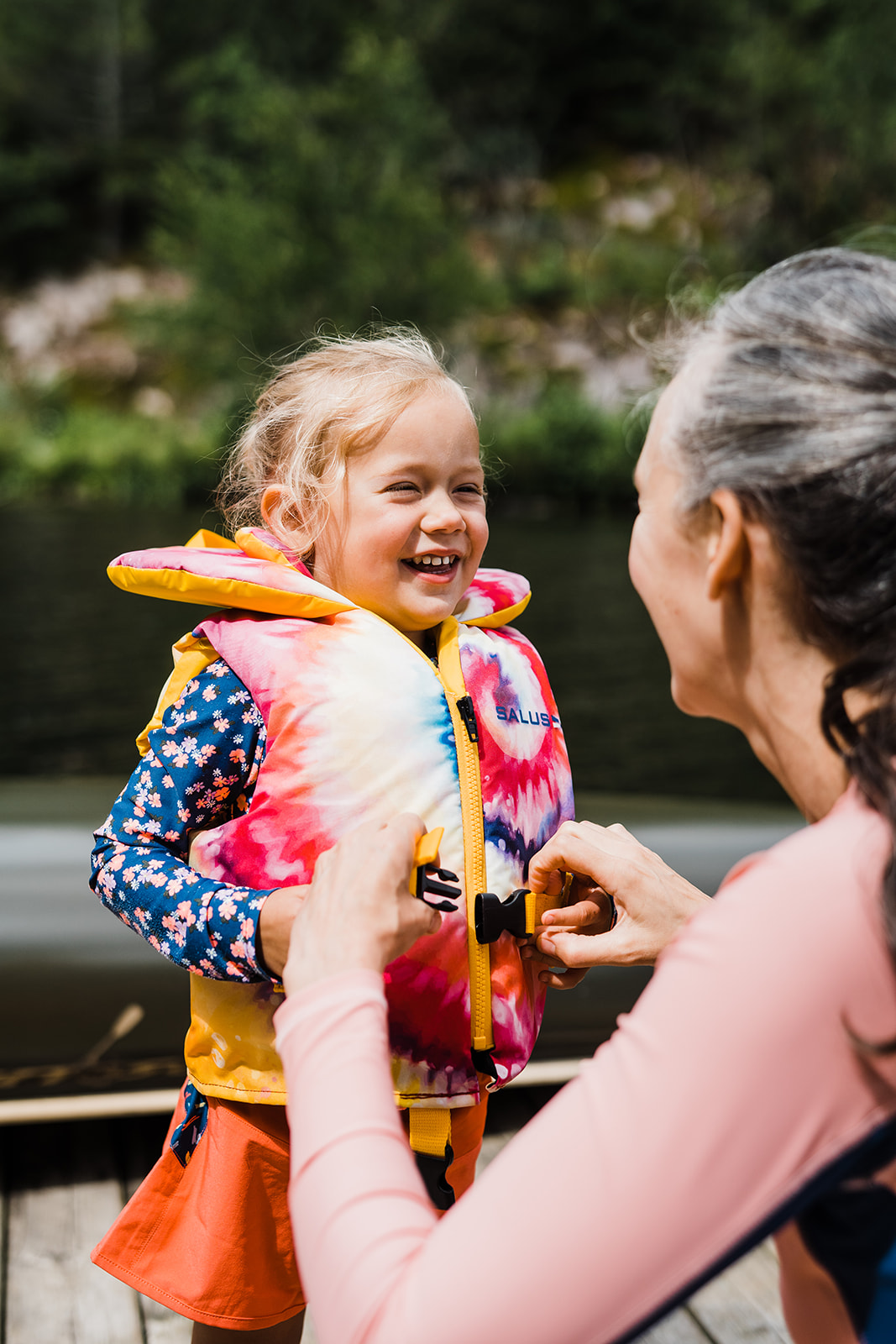
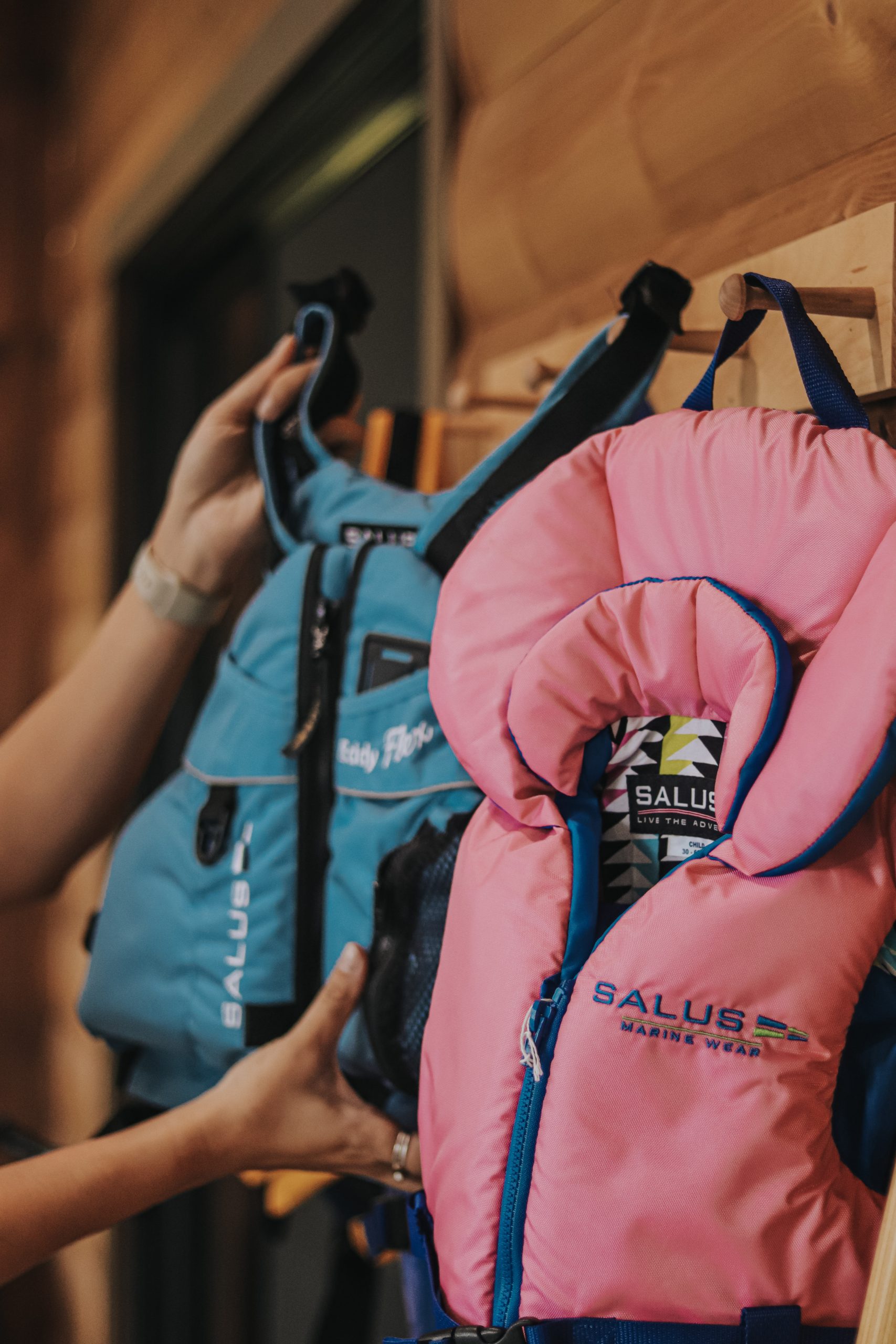
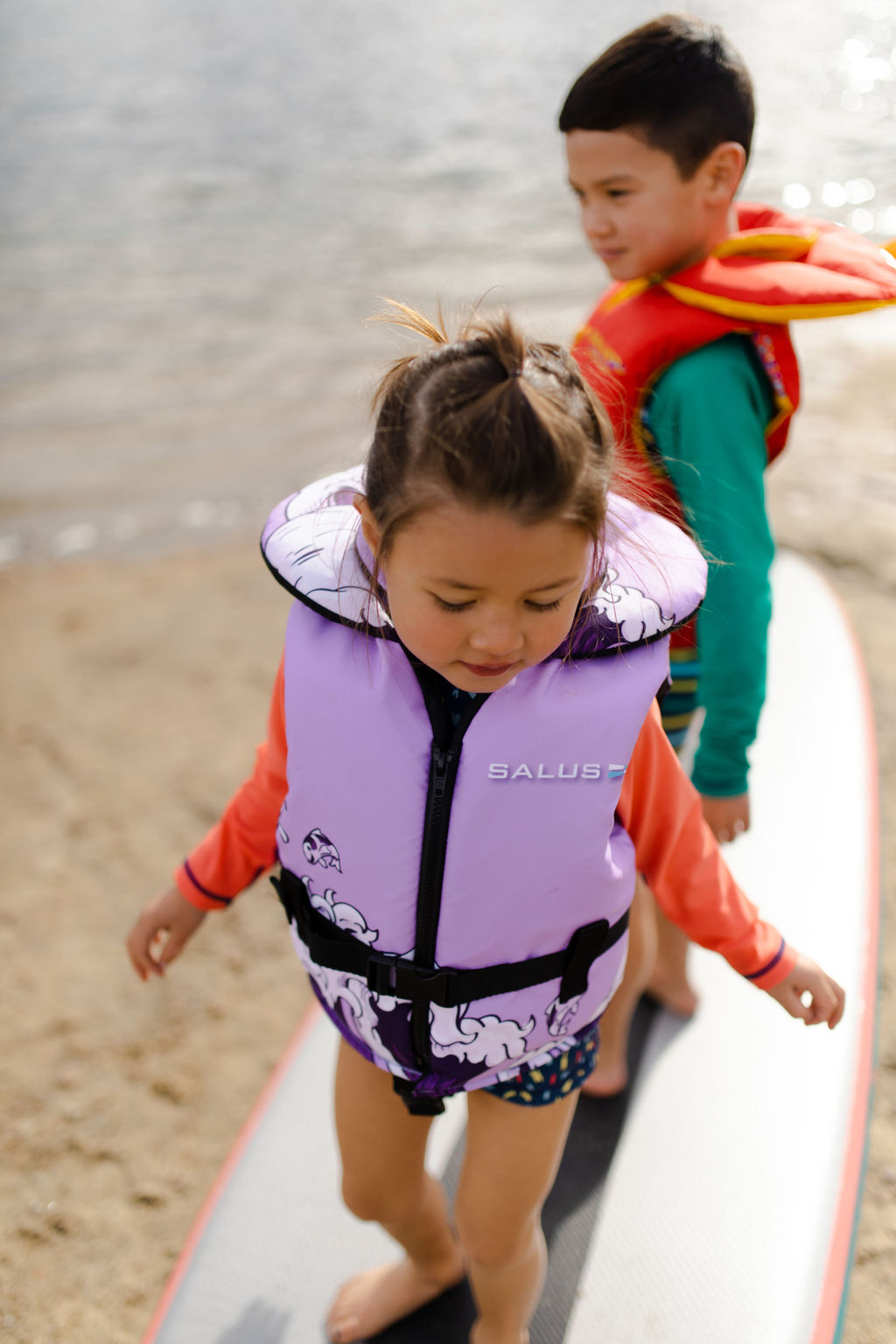
- Life Jacket → non-negotiable, even for strong swimmers. In many areas, wearing a life jacket/PFD is often a legal requirement. Make sure it fits properly. Check your child’s weight and size, then choose a life jacket accordingly, such as one from Salus Marine. Avoid buying one they’ll “grow into” or using one that’s too small to support them properly.
- Whistle → a simple but important safety item for signalling if you need attention. In many areas, it’s also required to have a sound-signalling device on board. Keeping a whistle attached to their life jacket makes it easy to access when needed.
- Leash → keeps the board within reach. If you’re sharing a board with a child, only one leash is needed, and it should be attached to the adult paddler. Be mindful of potential entanglement.
- Supervision → stay close, especially when they’re learning. Having a spotter with a tow line nearby is also a great option.
- Weather & wind awareness → check conditions before heading out. Wind can change quickly and make it harder to paddle back
- Choosing the right conditions → pick a calm, warm day. Avoid wind, waves, and boat traffic
- Sun protection → sunscreen, hats, sunglasses, and UV-protective clothing go a long way when you’re out on the water
- Hydration → bring water and take regular breaks. Time on the water, sun exposure, and wind can dehydrate you more quickly than expected
It’s also helpful for both kids and adults to understand how to get back on the board if they fall in. Paddle Adventurer has a helpful guide on getting back on your paddleboard that’s worth reviewing before heading out.
Quick Gear Check (Especially at the Start of the Season)
Before heading out it’s always worth doing a quick gear check.
- Leash → look for cracks, wear, or weak connection points
- Life Jacket → make sure it still fits properly and has no visible wear or damage.
- iSUP → check for air leaks, valve issues, or seam wear
- Pump & fin setup → ensure everything is working and secure
Inflatable boards are durable, but they’ve often been rolled up and stored for months. A quick check helps avoid surprises and dangerous situations once you’re on the water.

Teaching Kids to Paddleboard (Step by Step)
Keep it simple and fun. This isn’t about perfect technique.
Going barefoot can help with balance and gives kids a better feel for the board.
Start with:
- Getting on and off the board
- Paddling together on the same board (great for younger kids or building confidence)
- Kneeling and paddling
- Getting comfortable moving around on the board
- Standing up when they’re ready.
A simple progression:
- Start in shallow, calm water (avoid cold water)
- Begin kneeling
- Paddle to build confidence
- Stand up slowly (one foot at a time)
- Keep knees soft and relaxed, eyes on the horizon and paddle in the water for support
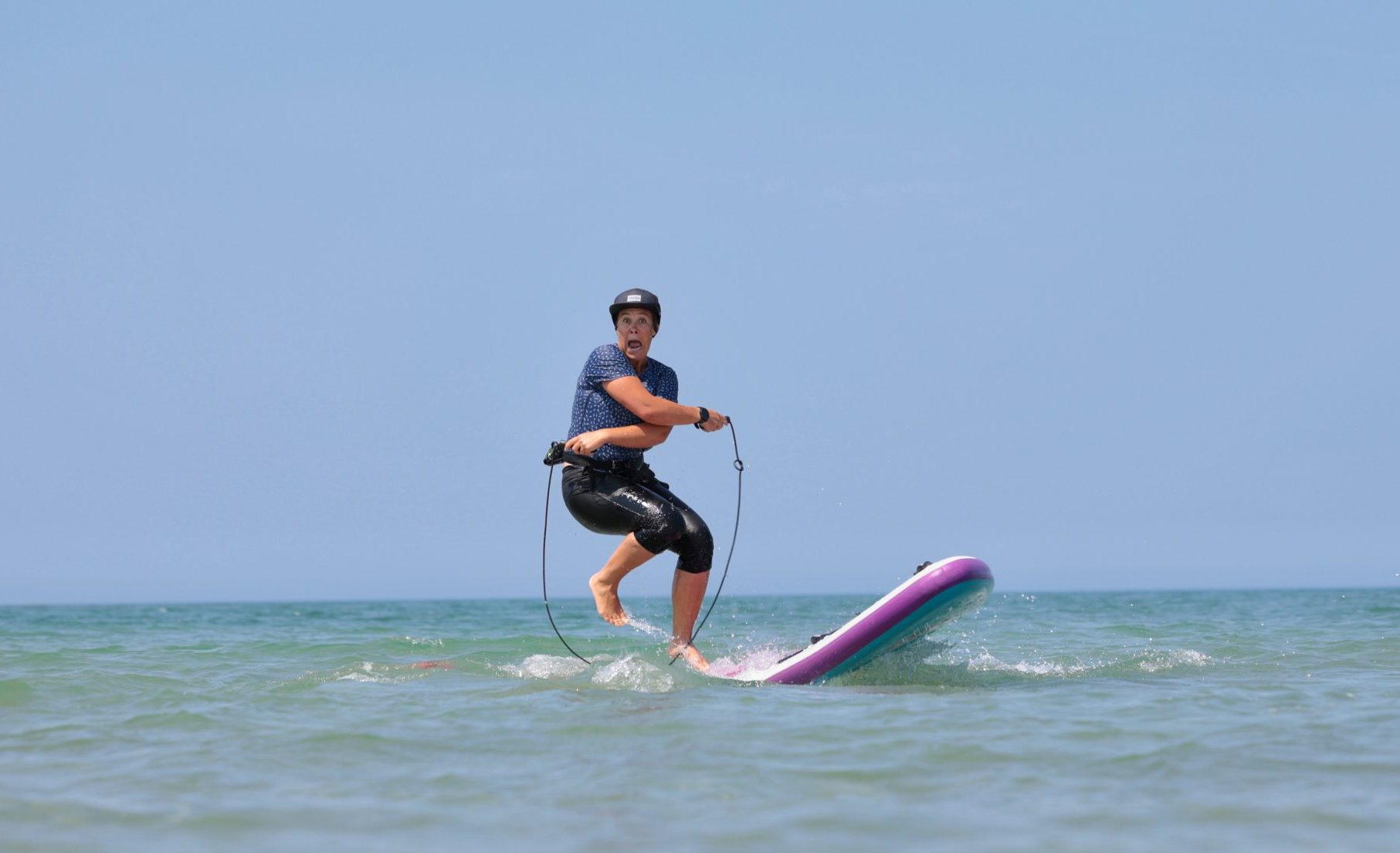
Some kids will stand right away, others won’t and that’s completely fine. Falling in is part of learning and often part of the fun.
For additional guidance, you can also check out Paddle Adventurer’s beginner paddleboarding guide, which walks through the basics step by step.
Prefer to see it in action? Here’s a beginner-friendly walkthrough of the basics:
Choosing the Best Location
Look for calm lakes or sheltered bays with minimal wind and boat traffic.
Early mornings or evenings often offer calmer water.
Avoid cold water, strong currents or busy waterways and stick close to shore.

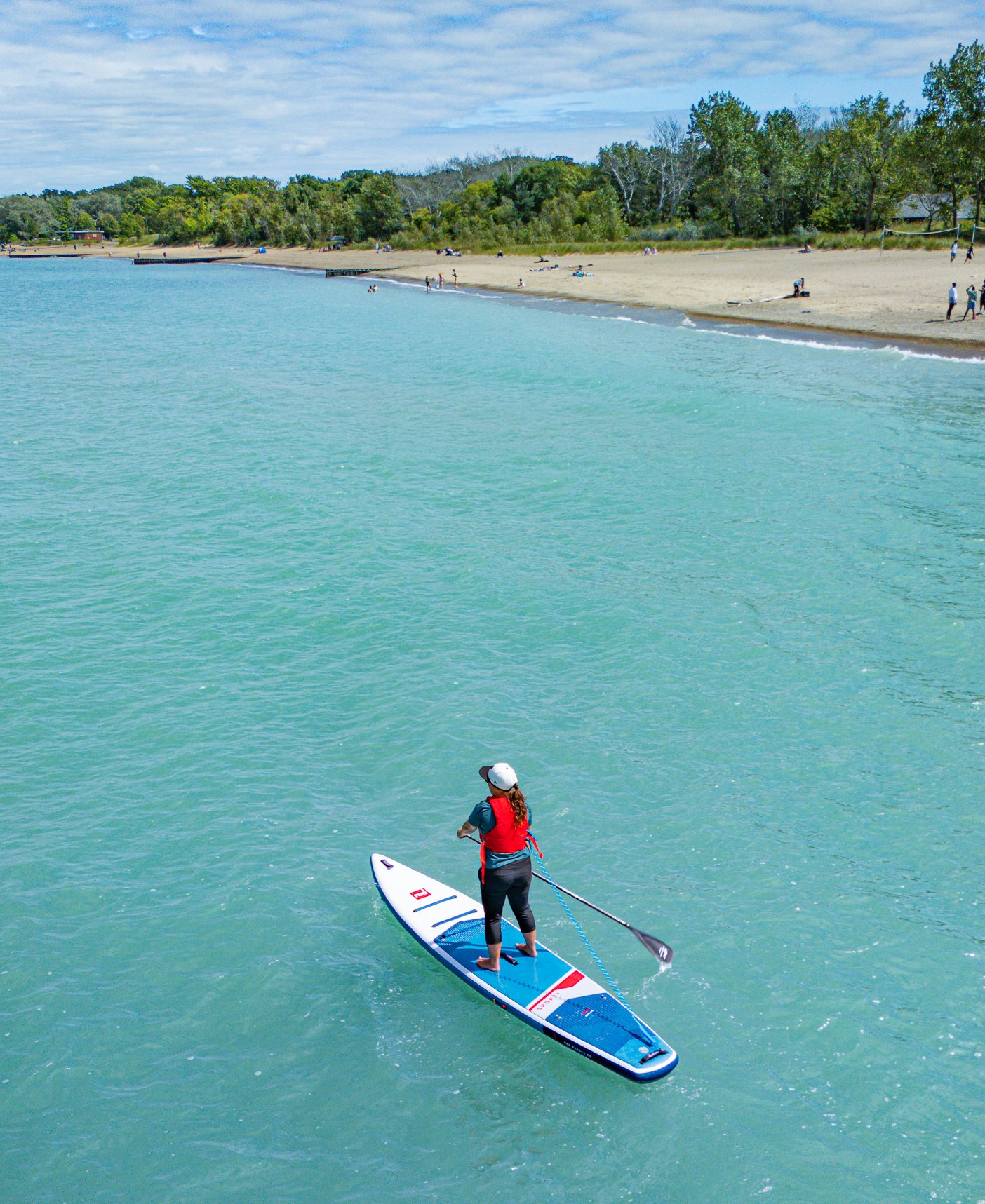
Make It Fun!
If it’s fun, they’ll want to keep doing it.
Try:
- Treasure hunts
- Paddleboard races
- Wildlife spotting
- Balance challenges
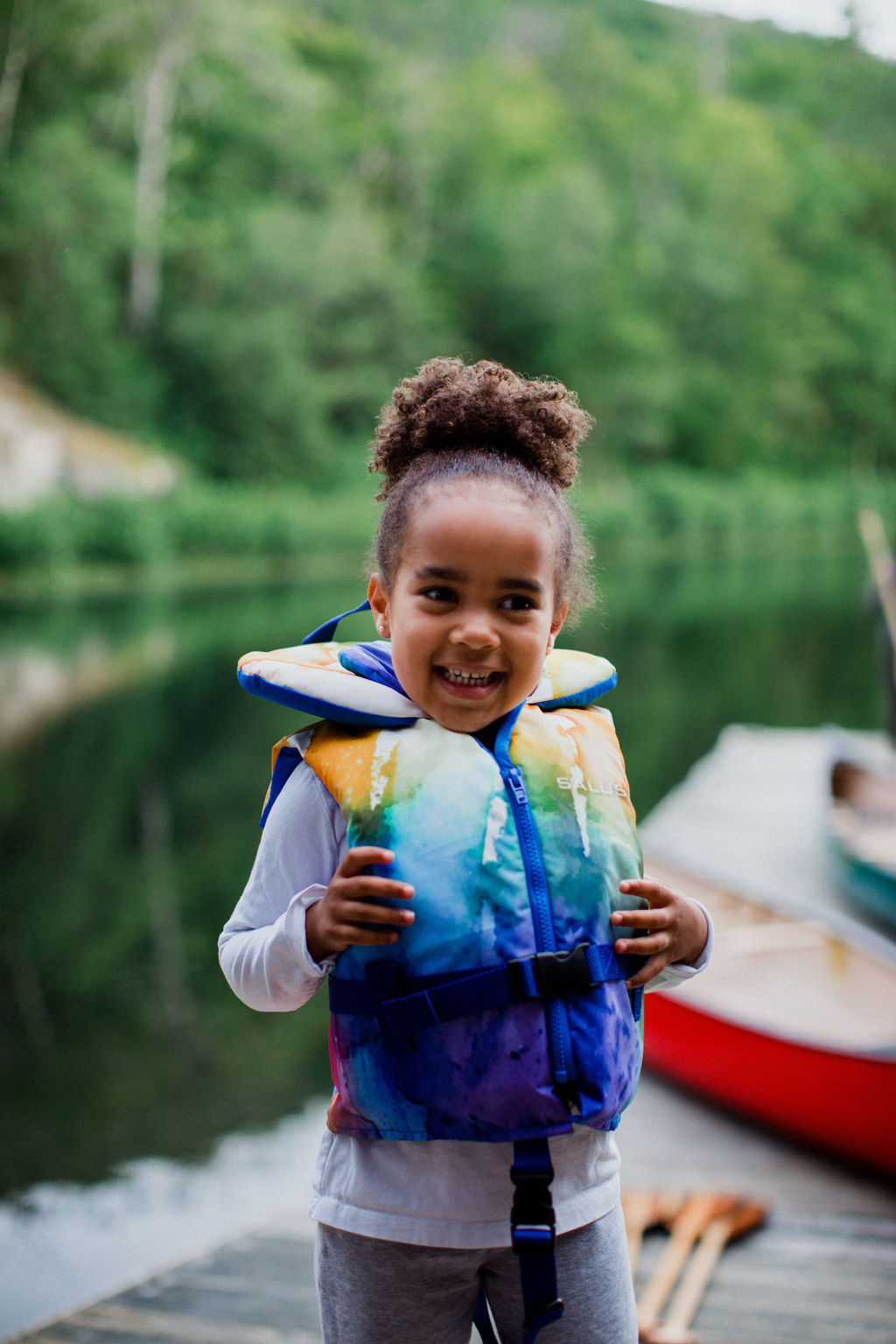
Photo Credit: Salus Marine
Final Thoughts
Paddleboarding with kids doesn’t need to be complicated.
Start simple, focus on safety, and keep it fun.
Those early moments, laughing, wobbling, spotting wildlife, and just being out there together, are what build confidence and create a lifelong connection to the water.
And who knows… you might just be raising your future paddle buddy or creating a little floating hangout your family never wants to leave.
For more paddleboarding tips, safety advice, and beginner-friendly resources, explore Paddle Adventurer.
You May Also Like
Best Battery Powered Paddle Board Pumps: 5 Tested

Travelling with a Paddleboard (SUP) ✈️